What Is Purchase Intent Data?
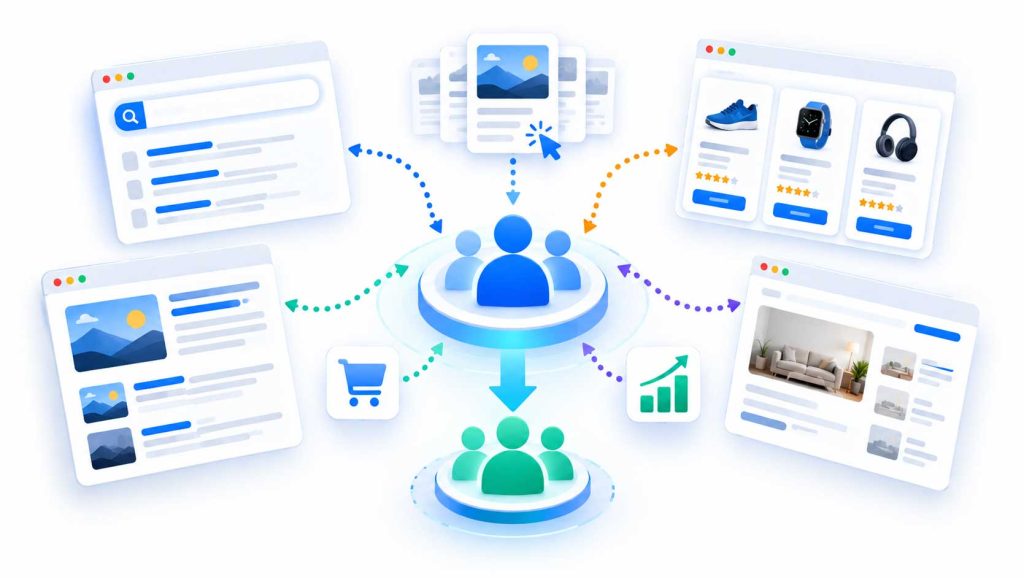
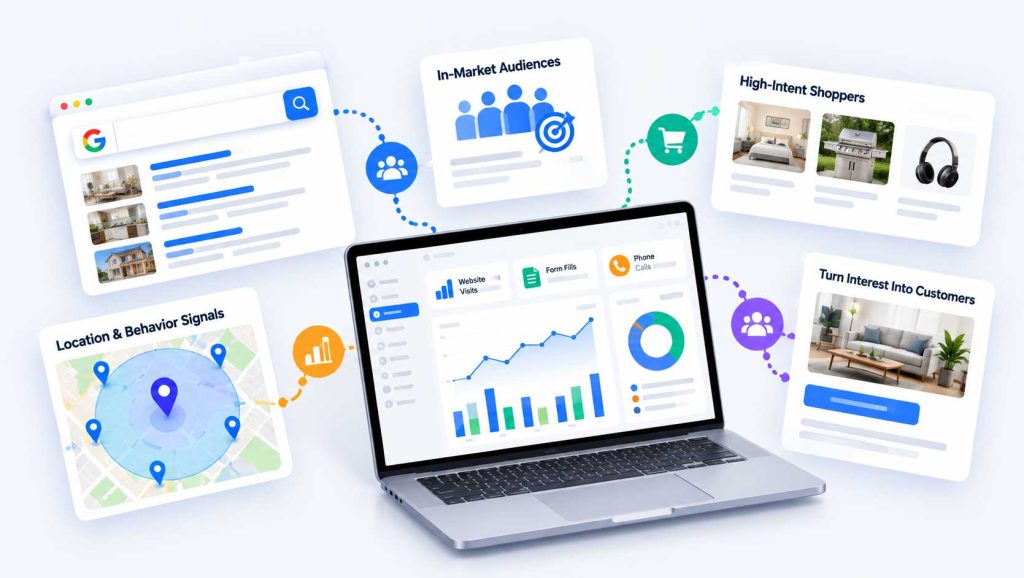
Purchase intent data tracks online signals that show someone is getting ready to buy. That includes searches, content they read, product comparisons and sites they visit. We use those signals to build audiences of in-market buyers.
Why It Works
Display Ad Options


Intent data audience targeting is included in our Accelerate and Expand packages.
How Intent Data Is Used


How an Intent Data Campaign Runs and Is Measured
Step by Step
- Define the buyer. We start with what you sell, where you sell it and who signs off on the purchase. For B2B, that means industries, company sizes and job titles.
- Choose the signals. We pick the topics and searches that suggest someone is close to buying, and leave out broad interest topics that mostly bring browsers.
- Size the audience. Too narrow and the ads barely run. Too broad and the buying signal gets watered down. We adjust until the audience fits the budget.
- Match creative to the stage. Early researchers see ads that explain the problem you solve. Prospects close to buying see an offer and a reason to contact you now.
- Review and trim. Placements, audiences and ads that do not bring site visits or leads get cut, and budget moves to what does.
How Progress Is Measured
Display ads are often seen without being clicked, so clicks alone undersell them. We look at website visits from targeted audiences, calls and form fills, searches for your business name, and how the same audience responds in email or retargeting.
We are clear about which numbers are tracked directly and which are estimates. No report can tie every sale to a single ad, and we will not pretend otherwise.
Who It Fits, and Who It Does Not
Intent data fits businesses with a considered purchase and a meaningful customer value, such as manufacturing and B2B companies, healthcare practices, home improvement, real estate and higher-priced retail. It works best alongside search ads and a website built to turn visits into leads.
It is a weaker fit for low-cost impulse purchases, very small service areas, or businesses that do not yet track calls and form fills.
What to Prepare
- A description of your best customers and the deals you want more of
- Your service area or a list of target companies
- Logos, photos and brand colors for display creative
- A landing page that speaks to an in-market buyer. Our landing pages and CRO service can build one.
Common Mistakes
- Sending in-market buyers to a generic homepage
- Running one ad for every buying stage
- Judging the campaign on click-through rate alone
How Budget Is Handled
Ad spend for display placements is separate from your plan price. We size the audience to fit your budget, not the other way around. For background on how these ads are bought, see what programmatic advertising is.